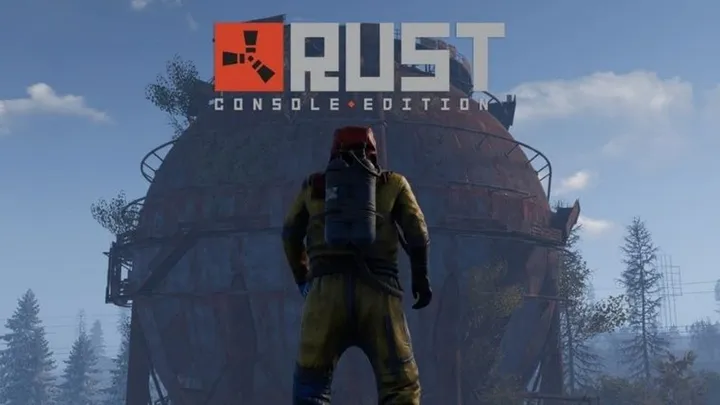



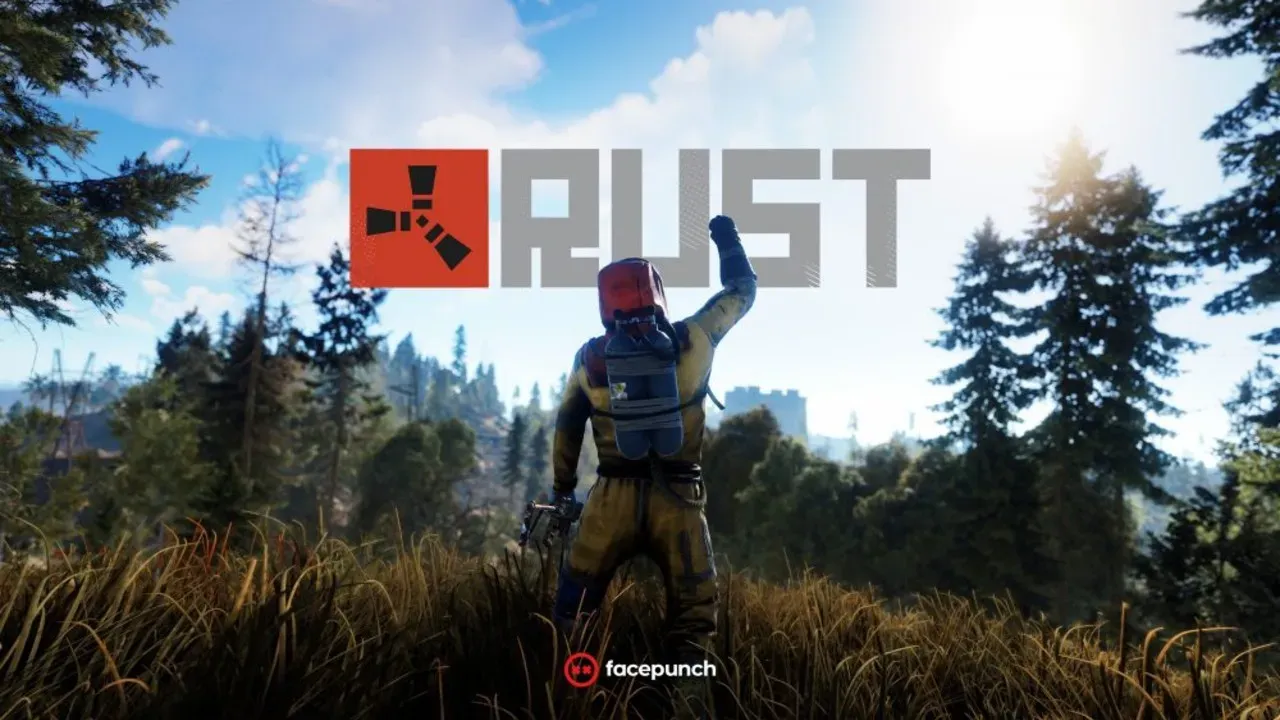
Rust is not a forgiving game. From the moment players spawn on the beach with nothing but a rock and a torch, survival becomes a constant battle against hunger, hostile wildlife, environmental dangers, and other players.
Unlike traditional survival games, Rust places heavy emphasis on player interaction. Every encounter carries risk, and every decision can determine whether you keep your loot or lose hours of progress. For beginners, the experience can feel overwhelming at first, but understanding a few core systems can dramatically improve survival and progression.
Choosing the Right Spawn Area Matters
One of the biggest mistakes new players make is settling too close to highly populated zones. Areas near major monuments often attract experienced players looking for combat and valuable loot.
For a safer start, focus on quieter regions with:
- Forest coverage for gathering wood
- Nearby rivers for food and water
- Access to smaller monuments for beginner loot
Building slightly away from high-traffic areas gives players more time to learn the game without constant pressure.
Prioritize Basic Tools and Shelter Immediately
The early minutes in Rust are critical. Players should focus on collecting wood, stone, and cloth as quickly as possible.
A simple starter base with:
- A sleeping bag
- A tool cupboard
- A locked door
is far more important than weapons during the beginning stages. Without a secure base, even small amounts of progress can disappear instantly after death.
Keeping the base compact also reduces the amount of materials required for maintenance.
Understanding Rust’s Progression System
Rust rewards efficient progression. Instead of crafting every item immediately, players should prioritize tools and weapons that accelerate resource gathering.
The general progression usually follows this path:
- Stone tools
- Primitive weapons like bows
- Tier 1 workbench equipment
- Firearms and stronger defenses
Learning when to fight and when to avoid conflict is essential. Many new players lose valuable resources by engaging in unnecessary battles too early.
Why Sound Awareness Is Extremely Important
Audio plays a massive role in Rust. Footsteps, gunshots, and even farming sounds can reveal nearby players.
Experienced players constantly use sound cues to track movement and prepare ambushes. Beginners often overlook this system, making them easy targets.
Playing carefully, listening closely, and avoiding unnecessary noise can significantly improve survival chances.
Building Smart Is Better Than Building Big
Large bases may look impressive, but they also attract attention. New players often waste resources creating oversized structures they cannot defend properly.
A smaller, efficient base with strong door placement and hidden loot storage is usually more effective. Defensive upgrades should happen gradually as more resources become available.
In Rust, smart building matters more than visual size.
Learning Monument Routes Improves Progression
Monuments are key locations containing loot, recyclers, and valuable resources. Understanding beginner-friendly monument routes can help players progress much faster.
Smaller monuments often provide enough components and scrap to:
- Unlock blueprints
- Craft better gear
- Upgrade workbenches
Players who learn efficient farming routes gain a major advantage over those wandering randomly across the map.
The Importance of Teamplay and Alliances
While solo gameplay is possible, Rust becomes much easier with allies. Teams can divide responsibilities such as farming, building, and defending.
Even temporary alliances can provide protection during dangerous situations. However, trust is never guaranteed in Rust, which is part of what makes the game so unpredictable.
The social aspect creates tension that few survival games can replicate.
Managing Gear Fear
One of the most common issues for beginners is “gear fear,” where players become afraid to use valuable weapons or armor because they might lose them.
However, Rust is designed around risk. Equipment sitting inside a box provides no advantage. Players improve fastest when they actively use their gear, take fights, and learn from mistakes.
Loss is part of the experience, and adapting to it is essential for long-term improvement.
Conclusion: Survival Comes From Experience
Rust is not just about crafting weapons or building bases. It is a game about adaptation, awareness, and decision-making under pressure.
Every server tells a different story, shaped by player interactions and unpredictable moments. For beginners, the first hours may feel brutal, but learning the fundamentals transforms the experience into one of the most rewarding survival games available.